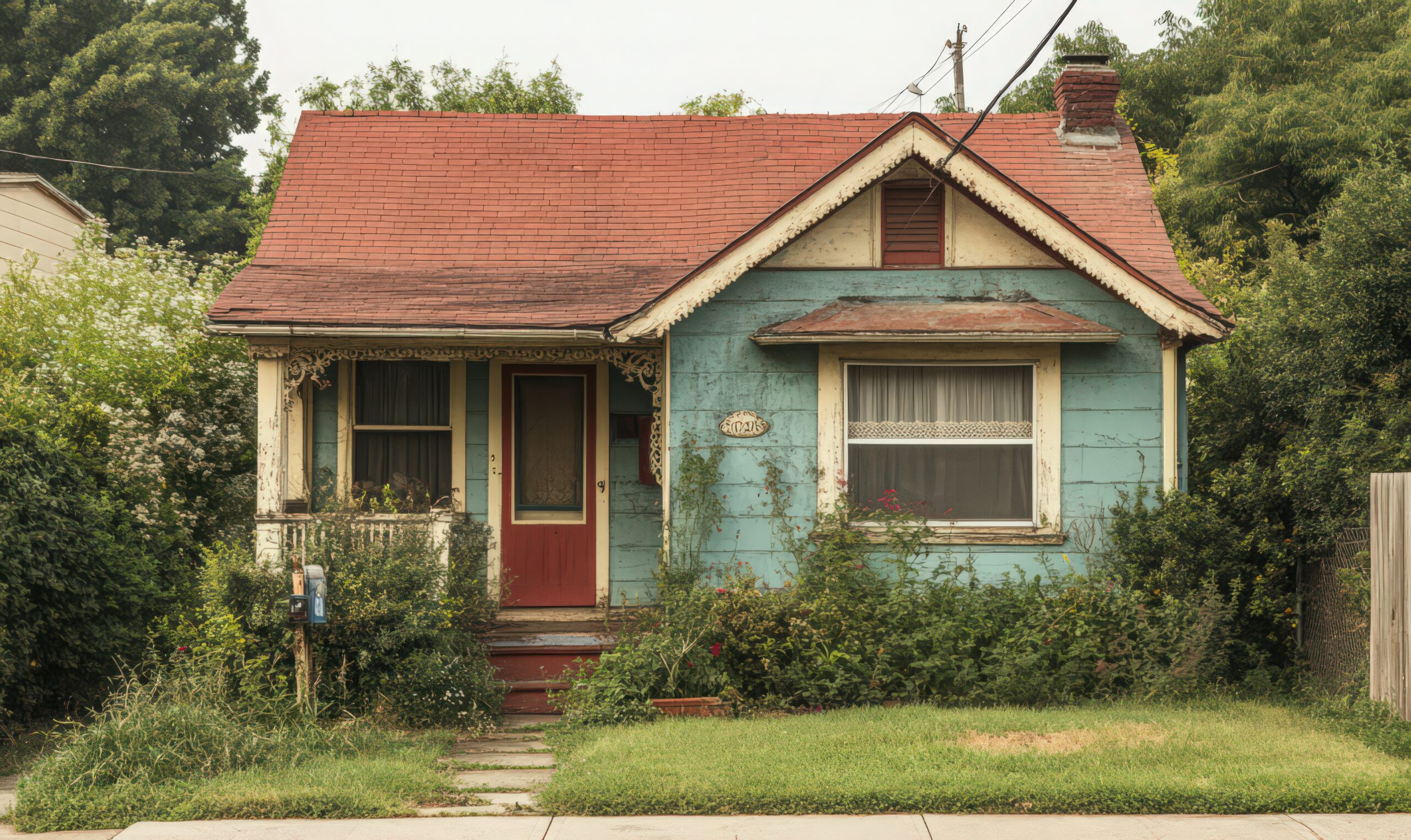
What Is a Distressed Property? Types, Risks & How to Find Deals
Getting a bargain on a home is always exciting, especially in today’s economy of rising home prices and loan interest rates that don’t seem to budge much. If you go for a home that has a less-than-ideal condition, such as a distressed property, you might be able to snag a deal. But you’ll need to be willing to put in the work and some tender loving care into it.
What is a Distressed Property?
A distressed property is a home under financial strain due to missed mortgage payments or taxes, foreclosure status, or other forms of owner hardships. These don’t have to be houses that are used as someone’s primary residence. They could be properties owned by landlords that are struggling with difficult tenants and paying back their lender.
When the owner is unable to pay back the lender, that lender needs to get back their money as quickly as possible. Since they can’t get it from the current owner, the only way to do that is to sell it and sell it fast, usually through real estate auctions. The good thing about this is that they tend to be listed below market value, especially if they need significant repairs, and are great for investors or anyone looking for lower-priced homes.
What Are the Different Types of Distressed Properties?
Before you jump into looking for and buying distressed houses, first learn about the different types that exist. Some may be abandoned properties (a subset of abandoned properties are called “Zombie Foreclosures”!) that are unoccupied, homes going through foreclosure, REO-occupied properties, REO-vacant properties, properties that require repairs/rehab, or other types of distressed property. Xome currently lists foreclosures, REOs, and short sales, among a few others. Each type has different risks involved, financing options, and timelines to consider.
Foreclosures
A foreclosure occurs when a homeowner defaults on their mortgage and the lender repossesses the property. This type of distressed property can typically be bought at auction, but you’ll have to be fast to keep up with the pace the lender needs to recoup their losses and have cash on hand. Most foreclosures are cash-only but come with less competition when compared to new homes that are in better condition.
There has been a total of 36,766 U.S. properties with foreclosure filings in 2025, up 19% from 2024, according to ATTOM, a leading provider of nationwide property data.
Another type of foreclosure is a preforeclosure. This is when the lender has already sent a notice of default that offers the homeowners a last chance to resolve their debt. This happens before the property makes it to a foreclosure auction.
Second Chance Foreclosures or Claim Without Conveyance of Title (CWCOT)
A second chance foreclosure, also referred to as the Claims Without Conveyance of Title (CWCOT) program, occurs when an FHA-insured property doesn’t sell at its initial foreclosure auction. HUD then allows the property to be auctioned online, giving them a “second chance”.
These distressed properties are sold as-is and as cash-only transactions. Because of this, the properties are often sold at a lower price than their appraised value, but this also requires buyers to pay the full amount upfront without any financing.
This means the buyer is also responsible for all closing costs, title insurance, and any costs that may come with past violations, eviction, and back property taxes. However, buyers don’t have to pay a buyer’s premium, a fee that’s usually charged in other auctions.
CWCOT properties can be occupied or vacant, in various stages of disrepair or move-in ready, but they also tend to be some of the best deals in distressed real estate investing. Since they often require effort by the buyer to research, bid, win, close, evict, rehab and flip or rent, the “Sweat Equity” created in these investment opportunities can be significant!
REOs (Real Estate Owned Properties)
If a foreclosure fails to sell at the foreclosure sale auction, the property becomes bank-owned and is referred to as a real estate owned property (REO). The foreclosure sale can also be called a Trustee Sale, Sheriff Sale, Referee Sale, a Private Selling Officer (PSO) Sale, or a Courthouse steps sale depending on the state or county where the sale is held live in person. Unlike homes at foreclosure sales, REOs are owned by the bank or the ultimate beneficiary, and they may have more financing options available and are easier to purchase.
Lenders may take care of any liens on the distressed property and may provide marketable title insurance. They may also allow for inspections, which gives you more information to make sure you’re making a sound investment.
Short Sales
When a property is distressed and someone wants to avoid foreclosure, they can initiate something called a short sale. This is a homeowner-initiated sale approved by the lender when the home is worth less than the mortgage owed, which is also called an underwater mortgage.
Even though short sales tend to have slower approval timelines because the lender must fully vet the seller’s hardship and usually requires extensive paperwork, they help the homeowner avoid destroying their credit by averting the foreclosure sale and creates a good opportunity for home buyers.
Can you Finance a Distressed Home?
Yes, you can finance a distressed home, but it depends on the specific property. If the distressed home is being sold at a foreclosure auction, all-cash payments are usually the requirement in many states. Lenders aren’t likely to approve a traditional mortgage if the seller won’t let you do an inspection or appraisal, which many foreclosures don’t allow. If the seller decides to accept traditional financing, the lender might require some repairs before approving the loan or may ask for a higher down payment.
Another option you have when trying to purchase a distressed property as your primary residence is looking into renovation loans that let you borrow for the home purchase and repair costs under one loan. The three types to look for are VA, Fannie Mae HomeStyle, and FHA 203(k) renovation loans. The amount of money you’ll have to put down on the property ranges from 0% to 5% between the three, depending on your credit score.
If the distressed property is in good condition and in a USDA-designated rural area, a USDA loan may also be an option.
Home buyers can also use certain types of Non-Qualified Mortgages (Non-QM loans) for buyers without W-2 income that are business-owners, independent contractors or have valuable assets. These homebuyers can apply for a Non-QM loan by showing bank statements, 1099s, or asset statements. Another type of Non-QM loan is called a Debt Service Coverage Ration (DSCR) loan, but this is only for investors who can qualify based on the estimated cash flow the property will generate as a rental to cover the terms of the loan. In general, Non-QM loans tend to have a higher interest rate than a conventional mortgage.
Another investor only short-term financing option is a Hard Money Loan from a Private Lender (sometimes called a Bridge Loan). These loans are typically interest-only high-interest loans to help an investor acquire a property and conduct renovations and/or flip or refinance the loan to rent the property. The terms of these loans can be as short as a few months to a few years.
Pros and Cons of Buying a Distressed Property
As with any home purchase, it’s a big decision that comes with many pros and cons. Don’t forget to weigh each carefully before moving forward with a distressed property.
Advantages of Buying Distressed Properties
Distressed properties have many advantages, including:
- Lower prices: Distressed homes are usually sold as foreclosures and are often listed below their market price because banks want to sell them sooner rather than later.
- Potential equity growth: You get built-in equity from day one because you’re getting it at a discount.
- Investor opportunity: Since buyers are getting the house for a deal and already have equity after the purchase, there is an opportunity to make money on that investment when making repairs, renovations, and relisting it for sale (or keeping it as a rental property).
- Less competition in some cases: Distressed homes have less competition than new homes on the market because they’re not in the same kind of condition and may have more complex closing processes.
Risks of Buying Distressed Homes
Distressed homes also come with their own unique challenges, even with the potential savings they offer.
- Property may be in poor condition: Distressed properties are often sold as-is and may be in poor condition. You’ll be responsible for making repairs and bringing it up to code, which means higher repair costs.
- Longer approval timelines: The lender (the bank selling the property) acts as a third-party and has to approve all aspects of the sale, so it takes longer. This is especially true for short sales.
- Limited seller disclosures: The seller may not disclose the home’s complete history, and some state laws exempt the seller’s obligation to give full disclosures. Always check your local public records before moving forward with a purchase.
- Difficult to secure financing: Not all distressed properties accept financing and may be cash-only sales.
- Market volatility: Distressed properties increase the amount of market volatility you’re exposed to. If there’s an economic downturn and fluctuation happening in the market, it can potentially impact how profitable your investment will be.
How Can You Find Distressed Properties for Sale?
Start your search for distressed properties on Xome Auctions. You can filter by the type of auction you want to look at, such as foreclosures, bank owned, non-bank owned, short sales, and second-chance foreclosures.
Other helpful tools to find a property that’s distressed include the MLS (multiple listing service), driving around neighborhoods yourself, or using your local City Service Requests platform. Search on Google, “311 service request [city name]” to find the platform for your city. You’ll want to look for a button that says something like “Code Compliance & Zoning Cases”. Depending on your city, they’ll have maps that show all the properties in the area that have code violations.
You can then enter the address on the tax or county assessor’s website to find contact information for the owner and investigate if they’re an absentee owner or financially distressed and unable to take care of the property. If the owner’s address is different than the property address you found, then it’s most likely owned by a bank that’s ready to sell.
Strategies for Buying Distressed Properties
Set a budget and secure financing.
Set your budget for how much you want to put into the property, including additional expenses. Consider the projected renovation expenses, taxes and insurance, legal fees, and unexpected costs that may be added to the total purchase price. This step is essential, so you aren’t left with any surprises.
Then decide how you’ll secure financing. This depends on how the property is listed and if it’s cash-only. You might be able to secure a conventional or renovation loan if the seller accepts it and lets you do an inspection.
Get an inspection.
Get a full inspection on the property if the seller is willing to allow it. If not, go off the external condition of the property and hire an inspector to ask for their external assessment and what risks might exist inside the home. Pay attention to cracks in the foundation, where mold might be growing, the roof, windows, and any erosion near the house that might cause issues.
Check the title and public records.
Use Xome’s Due Diligence Checklist to make sure you review the title and look for any violations or tax liens. Also check public records to learn more about the property history.
Seek professional help.
Navigating the buying process for distressed homes can be much easier with the help of professionals that do it every day. Look for a real estate professional that specializes in foreclosures or REO properties and/or a real estate attorney. You’ll especially need them for the closing process.
Make an offer.
Once you have your budget set and financing ready to go, it’s time to make an offer. Determine your minimum and maximum bid and register for the auction to start bidding. If you’re not buying the property via auction, work with a real estate professional to make sure you’re making an attractive offer to the buyer and how you’ll navigate that process.