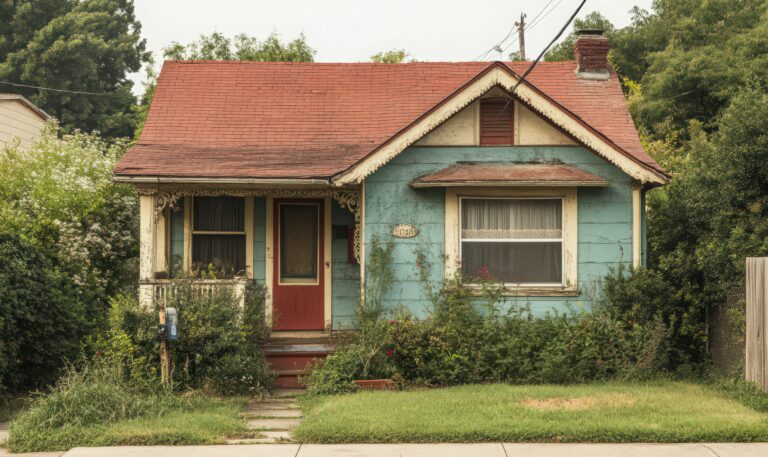
Buying an occupied property can be very different from buying a traditional or vacant property. That is why it is important to understand your responsibilities as the owner. This includes what you need to do as a landlord, and what options your tenants have during the process.
Key takeaways:
- Occupied REO (bank-owned after foreclosure) properties are homes still occupied by the prior borrower or a tenant. Investors can often purchase these properties below market value.
- Purchasing a house with tenants provides an immediate rental income stream, but there are a few responsibilities that come with that. Now that you are their landlord, you must honor current leases and follow local laws, including keeping the building well-maintained and up to code.
- If you want to legally remove a former homeowner, tenant, or squatter, you can hire the seller’s eviction attorney to continue the eviction process from the point it was at closing, which can help streamline resolution and reduce delays. Investors should budget for potential legal fees and relocation incentives.
What Does “Occupied Property” Really Mean?
An occupied property is exactly what it sounds like — people are currently living in the property at the point of purchase. These occupants could be previous owners or a tenant who may or may not have a valid lease.
What Does “REO-Occupied” Mean?
The term, “REO-occupied”, refers to a real-estate-owned (REO) occupied property that is owned by a lender, like Rocket Mortgage, after it has gone through foreclosure and is still occupied by tenants who rent the property or previous homeowners who have not yet vacated the property. Sometimes this could also include unauthorized occupants, like squatters.
The foreclosure process typically starts after the homeowner’s payments are 120 days late. Lenders will attempt to sell the foreclosed property at auction, and if no one buys it, the lender then owns it and can sell it as they wish. However, eviction is not included in the foreclosure process and requires an extra legal step. This is what leads to the property still being occupied after it has already gone through foreclosure. For buyers looking to purchase an REO-occupied property, keep in mind that there may be some legal challenges with removing occupants.
What Does “Tenant-Occupied” Mean?
“Tenant-occupied” means that a rental property currently has tenants living in it. They are not the owner of the property who pays the mortgage. Instead, they pay rent to the owner to live on the property. An example of tenant occupation is an apartment building or duplex with tenants renting space from a landlord.
When buying a house with tenants, first check if the previous landlord operated legally. This means verifying ownership through the local tax assessor and checking if the building is currently up to code and is safe for tenants to continue living there. You should also verify lease agreements and rent payment statuses by obtaining estoppel certificates signed by tenants. These help prevent any disputes after the sale.
What Happens When You Buy an Occupied Foreclosure?
There are rules with occupied properties that you may not have encountered before, including strict non-harassment of tenant laws that prohibit you from illegally entering the property or approaching the occupants until after you have closed on the home. Until then, all communication must go through the seller or the seller’s real estate agent.
Once you have closed on the property, you must continue to respect tenant rights under the Fair Housing Act and the Protecting Tenants at Foreclosure Act (PTFA), including allowing them to remain until the end of their lease and not intimidate or coerce tenants who refuse to leave or file complaints. It is your responsibility to go through the required legal procedures to handle current and future lease agreements.
As with all auction properties, we highly recommend conducting your due diligence before deciding to bid on or submit a pre-auction offer on an occupied property. We also encourage you to develop a strategy for compliantly vacating the occupants from the property if you aren’t planning to make it a rental.
Here are two common approaches depending on your intended use for the property:
Rental Property
If you plan to rent the occupied property to the current occupants, then the process is pretty simple. Once ownership is transferred, you can offer them a new lease while still honoring their current lease until it expires. If needed, you can work with a real estate agent to assist with preparing the leasing documents.
Primary Residence
If you intend to live on the property as your primary residence, you will need to give tenants a minimum of 90 days’ written notice to vacate. This may involve a simple conversation or offering incentives like a cash payment or relocation assistance. In some cases, a formal eviction may be necessary. We highly recommend hiring an experienced attorney to guide you through the process to ensure the process is handled legally and respectfully.
How Do Evictions Work with Occupied Properties?
The current occupants may not want to leave voluntarily once you have purchased the property. At this point, you may need to consider eviction, especially if you need to access the home to renovate, rent, or fix and flip the property.
Evictions can be a lengthy process. The landlord must give a vacate notice to tenants before the formal process can even begin. Tenants will need to leave before you can begin any work or attempt to monetize the property, so you will need to factor this into your timeline if you are buying a property that comes with existing tenants.
Eviction law can be complex and vary by state. Understanding local regulations is very important as a landlord. If you’re unsure about the process, a real estate lawyer can help you through the legal steps of an eviction process.
Gather Any Existing Records on the Occupants
When a property is occupied, you should gather the necessary documents, such as lease agreements and payment records. There are 5 necessary documents to make sure you have. If the lender doesn’t have these documents, request the contact information of the previous property manager or owner.
- Lease agreements: Signed lease agreements between each tenant and the previous property manager or owner that outlines the rent amount, duration, occupancy terms, and any conditions.
- Tenant records: Payment history (including prepaid rent and security deposits), previous eviction attempts, and information on any past disputes.
- Occupancy status: Verify if the property is occupied and by whom. This will inform you on how you need to handle occupants.
- Inspection records: Gather property inspection reports on its condition and any damage to plan for repairs.
- Eviction history: Ask for past and pending eviction filings, including court documents and outcomes, in case you need to take further legal action.
Confirm Who’s Occupying the Property and Legally Remove Them
Once you have the property deed in hand, a daytime visit to meet the occupants is an appropriate first step in the possession-transfer process. Approach the conversation with reassurance, emphasizing that your goal is to ensure a smooth transition and to work collaboratively toward a solution that respects their situation. Alternatively, you may choose to send official formal written notices and await their response, or coordinate the delivery of official notices to coincide with an in-person introduction.
If eviction is necessary, here’s how to approach different occupant types:
- Former homeowners: Depending on your state’s laws, you may need to serve a formal notice, like a Three-Day Notice to Quit, to vacate before filing a formal eviction case.
- Tenants with leases: For tenant occupation, you will need to send them a written notice to vacate with a notice period that follows your state’s laws. If they fail to leave, an eviction lawsuit is the next step. However, if their lease is valid, you will have to follow your state’s laws to terminate it.
- Squatters: First notify law enforcement by filing a police report to have official record for when you send an eviction notice. If they still do not leave after the notice, an eviction lawsuit will be required to enforce the eviction.
Understanding Tenant Rights
Tenants have rights that are listed in their lease agreement and any state and local laws if they are paying their rent and following lease terms. These include:
- How long they can stay in their rental
- Rental payments and any security deposits
- Additional responsibilities outlined in the lease
During tenant occupation, landlords cannot change the terms of the lease until it expires, and some laws may even protect the tenant after the lease expiration date. But if the tenant is on a month-to-month lease, you have more flexibility to change lease terms with a 30-day notice.
Pros and Cons of Buying REO-Occupied Properties
Pros
1. Discounted Purchase Prices
REO-occupied properties often sell below market value, depending on the condition, location, occupancy, and other factors. Banks are motivated to sell quickly to recoup their losses from a foreclosure as quickly as possible. These properties tend to need significant repairs and may require legal counsel for lengthy eviction proceedings, further lowering the asset’s performance for the bank and pushing them to sell quicker.
Tip: Use the Xome® free home value estimator to help determine the market value of properties to help guide your bidding strategy.
2. Strong Long-Term Investment Potential
The fact that investors like you can buy an REO-occupied property for below the market value makes it a potential cost-effective investment. It automatically provides a potential higher profit margin than if you were to buy a property at market value, given that you complete repairs, renovations, and manage it properly.
Add consistent monthly rental income from tenants and appreciation over multiple years, and you get significant long-term investment potential. You could also explore multiple income-generating options like short-term rentals, such as vacation rentals and office space, and flip it for a profit when you’re ready to resell the property.
3. Clean Title
Banks typically clear all outstanding debts tied to an REO-occupied property before selling it, including mortgage liens, unpaid property taxes, judgment liens, title issues, and any other pending items. This way, you know you are starting with a clean title at the time of purchase.
If you want to protect yourself in the off chance that there could still be preexisting claims that you are not aware of, you could do a title search or purchase an owner’s title policy before you make an offer on a property.
Cons
1. Limited Access and Information
One of the downsides to buying an occupied REO property is that you will not know the current situation with the occupants until after closing. The occupants could be a former owner refusing to leave, tenants that have valid leases to stay on the property, or difficult squatters that require formal eviction and removal.
Since these properties are occupied, the lender will also not permit any interior inspections, giving you even less information to work with. You will have to go off the external condition of the property and available public records to evaluate risks. Old property photos from past Multiple Listing Service (MLS) listings, along with code violations and permit records, might give you a vague idea of the home’s interior condition but they are not completely reliable because the information may be outdated.
2. Property Damage Risks and Costs
Occupied REO properties are sold as-is, meaning all the risks fall on you, the buyer. Since you cannot inspect the property before purchase, you will have to plan for any unexpected property damage and costs associated with required repairs and updates.
Property damage can include:
- Flood and water damage, including mold, basement, and roof (or attic) damage
- Stolen copper wiring and pipes
- Stolen appliances and other valuable items
- Plumbing damage
- Vandalism
- Pest infestations and their sources (tenants could have various sources)
- Any other damages due to long-term neglect
3. Potential Legal Issues
Even though the lender clears all liens on the title before you purchase the REO-occupied property, there are still other legal issues that could pop up. Occupant removal can be legally complex and require a formal eviction process if the tenant refuses to vacate the property.
As previously mentioned, tenants have rights, and if you violate lease terms or local laws, they could take legal action. You should review local laws and seek legal counsel to handle any disputes smoothly.
Pros and Cons of Buying a House Intended to Rent with Tenants
Pros
1. No Need to Find New Tenants Right Away
When you are buying a house with tenants, you do not have to worry about finding renters since their leases came with the property. The existing renters are already in place, saving you time and money. If leases are nearing expiration, you’ll still have time to plan for new tenants.
2. Immediate Rental Income
Since your new home already has tenants, it also comes with immediate cashflow to help cover the mortgage and any other expenses associated with the property. The existing renters are already paying their monthly rent and that income starts flowing on day one. If you had to start with entirely new renters, it could take some time to build up a stable recurring income stream.
Cons
1. Possible Legal Complications
As the new landlord, you’re responsible for upholding lease agreements and handling any legal issues. Anything and anyone that is on the property falls under your jurisdiction for handling any violations of the law. If renters are not making payments or violating other terms of their lease, you may have to take legal action.
2. Inflexible Lease Terms
Even though honoring lease terms benefits the renter, it could be a disadvantage for you. You can’t change lease terms or raise rent until the current lease expires. Month-to-month leases offer more flexibility, but fixed-term leases lock you into existing conditions. Be sure to review local rent control laws before making changes.
Common Questions and Answers About Buying Occupied Properties
Buying an occupied property, especially for the first time, can raise a lot of questions. Consider exploring our due-diligence checklist to ensure you’re fully prepared. Below are some of the most frequently asked questions we hear from clients, along with clear answers to help guide your decision-making.
Will the property be vacant when you purchase it?
The property is often still occupied at the point of purchase, especially if you buy through a bank-owned property auction.
Why would a house be sold while still occupied?
Occupied homes are sold to investors looking for immediate rental income or because it is a foreclosed REO-occupied property. Buying an occupied house at auction that is below market value also helps maximize profit for investors.
What happens if you buy a property with tenants?
After buying a tenant-occupied property, the current tenants’ leases are transferred to you as the new landlord. You are then legally required to honor the current lease terms and renters’ rights.
Can a landlord evict a tenant because they want to sell the property?
A landlord cannot evict a tenant unless they violate the lease agreement, stop paying their rent, or refuse to leave after their lease has been terminated. Even if a “lease termination due to sale” clause is used, eviction must follow legal procedures.
Who handles eviction (if necessary)?
The responsibility to evict will fall on the new owner after closing.
What legal or logistical hiccups might arise when purchasing an occupied property?
You can run into unusual situations with any purchase, and they may vary from state to state. For example, New Jersey law requires carbon monoxide and smoke certification, which requires access to the property. The listing agent or seller would need to work with the occupant to gain access and have the inspection completed. If an inspection is not completed, the property cannot change hands. Other states may have similar requirements. Always research local laws before purchasing an occupied property
Can you change the rental agreement after purchase?
It is highly recommended to consult with the proper legal counsel before you take any action. Rental laws can be very different from state to state and even city to city. No matter what, it is important to treat tenants with respect and courtesy.
Who is responsible for repairing past damage?
Auction properties on Xome.com are sold “as is.” This means the new owner must take care of all repair work needed after closing on the property. Remember, repair and occupancy are two leading reasons that occupied properties sell at lower than market value. The savings can often outweigh the effort and eviction costs.
Occupied properties are popular among investors due to their vast potential. They can be a valuable new investment as a rental, flip, or even full renovation. But as with any real estate investment property, certain risks come with buying a house with existing tenants. Knowing these risks will help protect you from surprises and unexpected costs.
Do homes sell better empty, or occupied?
It depends on the current housing market, the specific property, and the buyer’s needs. Occupied homes tend to sell faster, partially because purchasing a house with tenants is more attractive to investors. They already have a recurring income that comes with them and the potential to turn a profit quicker than if the home was vacant. However, vacant homes may sell better in a buyer’s market, especially if the buyer wants to avoid occupants and evictions, or if they’re an owner-occupant buyer
Conclusion
Occupied properties are popular among investors due to their vast potential. They can be a valuable new investment as a rental, flip, or even full renovation. But as with any real estate investment property, certain risks come with buying a house with existing tenants. Knowing these risks will help protect you from surprises and unexpected costs.
Looking to expand your portfolio with occupied properties?
Explore Xome’s listings and filter by occupancy—just click on More Filters to get started!
Disclaimer: This content is for educational purposes only and does not constitute legal, financial, or investment advice. Real estate laws vary significantly by state and locality. Always consult with qualified real estate attorneys, financial advisors, and local professionals before making investment decisions.